
Flexibility and Agility are key for the Indian F&B sector
The Covid19 pandemic has played a major role in increasing the demand for sterile, healthy products, with a longer shelf life, especially in the aseptic beverage carton industry. With legislative announcements such as the ban on single-use plastic in India, aseptic cartons made using recyclable paper board have emerged as the most sustainable alternative. The awareness of consumers regarding the many benefits of aseptic packaging solutions has also grown, as they prefer convenience, storability, and guaranteed sterility, over loose, fresh products. Hence, flexibility and adaptability have become critical for brands to thrive, amidst an array of constantly evolving changes and challenges in the food and beverage industry.
Flexibility for manufacturers and brands
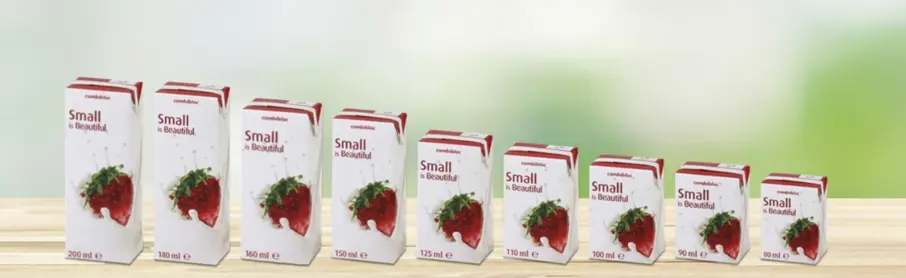
The focus on health and nutrition today, in addition to the operational logistics and constraints have made fast and flexible filling technology critical for manufacturers. Being able to change pack sizes quickly on the filling line can make a huge difference in meeting the demand. This is a core differentiator for SIG’s CFA 1224 filling machine for single-serve carton packs, which not only allows filling up to nine different volumes of cartons on the same system, switching between them on the filling line can be completed in just around two minutes.
Flexibility for Consumers
When it comes to different volumes of cartons, another key aspect defining consumer patterns through the lens of the pandemic-induced economic upheaval is the importance of price points. Consumers vary greatly across demographics in terms of preferences, mode and habits of consumption, purchasing power, and more. As a result, products within a specific price point that enjoy strong existing demand must maintain that point to continue retaining their customer base. The fluctuating prices of raw materials present an additional challenge to this, as the variations in manufacturing cost must be resolved separately.
SIG’s filling solutions
SIG caters specifically to this need, by offering a wide variety of portion packs, designed specifically to optimize the cost, quantity, and quality of the product within specific price points. For instance, SIG’s cartons are used in the Rs 20 price point for juices by Minute Maid, B Natural, and Tropicana, and Haldiram’s Jal Jeera and Aam Panna, in the 200 ml category, as well as the 250 ml packs for Amul Lassi. The Rs 12 segment also enjoys strong popularity among consumers, consisting of products packed in 200 ml SIG cartons such as the Maaza, or Haldiram’s Matka Jhatka and Lassi. And lastly, one of the most popular segments in smaller volumes, the Rs 10 category consists of Maaza and Slice, as well as juices by B Natural, Real, and more.
Flexibility is also at the core of SIG’s filling technology, consisting of a wide range of filling machines with varying speeds, designed for several different segments and businesses, from large brands with a national presence to regional ones. SIG’s filling speeds range from 12,000 to 24,000 packs per hour in the small sized segment to 9,000 to 12,000 packs per hour in the medium sized segment, and 6,000 to 9,000 packs per hour in the large or family-sized segment. SIG recently also introduced one of its most prized innovations, SIG NEO – with a filling speed of 18,000 packs per hour, SIG NEO offers the highest output in the current market for products in mid-sized aseptic cartons today!
Going ahead, the need for fast and flexible solutions will be even more urgent, owing to a host of factors such as rising global consumption, focus on trust, transparency, sustainability, and more. As such, brands will also have to keep innovating with a focus on adaptability, to stay ahead of the curve.
- June 10, 2022